
What Your Weekend Is Telling You About Your Mental Health

Weekends are supposed to be a chance to relax, catch up with friends, run errands, or do absolutely nothing. But have you ever noticed that your weekends tend to follow the same emotional pattern? Maybe you spend Friday night feeling relieved, Saturday surrounded by people, and Sunday worrying about Monday. Or perhaps you stay in bed most of the weekend and struggle to find the motivation to do anything at all. Your weekend habits can offer some interesting clues about how you’re feeling mentally and emotionally. They aren’t a diagnosis, of course, but they can help you notice patterns that might otherwise fly under the radar.
How Do You Really Feel When Friday Arrives?
That Friday feeling can say quite a bit. If you feel an enormous sense of relief when the workweek ends, it could simply mean you enjoy your downtime. But if you’re consistently exhausted, irritable, or emotionally drained by Friday, your weekday routine may be taking more from you than you realize. Noticing that transition can help, as Ascend Mind and Body emphasizes the value of paying attention to your overall mental and emotional well-being rather than ignoring signs that something feels off.
Are You Actually Resting?

Resting differs from simply being inactive. Spending Saturday watching movies because you genuinely enjoy it can be restorative. Spending the entire weekend in bed because everything feels overwhelming is different. Ask yourself how you feel afterward. Do you feel refreshed, comfortable, and ready for the week? Or do you feel guilty, sluggish, and just as exhausted as you were before? Your answer may tell you whether your downtime is genuinely helping you recharge.
Are You Keeping Yourself Busy?
A packed weekend can look productive on the surface. Cleaning the house, exercising, shopping, organizing, working, and catching up on every unfinished task can create a satisfying sense of accomplishment. But sometimes staying busy is a way of avoiding stillness. When nothing is left to do, uncomfortable thoughts and feelings can become harder to ignore. If you rarely allow yourself a quiet moment, try creating a little space to be without having to accomplish anything.
What Happens on Sunday Evening?
For many people, Sunday evening brings a familiar wave of anxiety. Thinking about Monday, unfinished work, early mornings, or another demanding week can quickly dent an otherwise enjoyable weekend. Occasional Sunday-night nerves are completely normal. But if dread arrives every weekend and feels intense, it could signal that something about your work, routine, or overall lifestyle needs attention. Instead of automatically brushing the feeling aside, consider what specifically you’re dreading.
Social Calendar for a Clear Story

Some people feel energized by a packed weekend of dinners, parties, and coffee dates. Others need plenty of quiet time to feel like themselves again. Neither approach is automatically better. What matters is whether your social life matches what you actually need. If you’re constantly saying yes because you’re afraid of disappointing people, your weekend might leave you feeling depleted. On the other hand, if you’re regularly avoiding everyone because socializing feels impossible, it may be worth checking in with yourself and considering why.
What Actually Makes You Feel Better
Your weekend can also reveal what actually supports your mental health. Maybe you feel noticeably better after spending time outdoors, exercising, talking with someone you trust, cooking, reading, sleeping well, or simply having an unstructured afternoon. These observations are valuable because mental well-being isn’t just about identifying what is wrong. It’s also about discovering what helps you feel grounded and connected. Once you recognize those patterns, you can intentionally make more room for them during the week.
Your weekend isn’t a psychological test, and there’s no perfect way to spend it. Still, how you feel and behave when the pressure of the workweek disappears can offer useful insight into your mental and emotional state. So, instead of asking whether you had a “productive” weekend, try asking a different question: How did I feel during it? Your answer might reveal more than you expect. And if you notice persistent sadness, anxiety, exhaustion, isolation, or other concerning changes, consider talking with a qualified mental health professional rather than trying to figure everything out alone.…









 Sleep and mental health share a profound relationship. One that’s more intertwined than we might realize. Think of sleep as a vital restoration period for our minds. During those nightly hours, our brains perform a delicate dance, consolidating memories, processing emotions, and rejuvenating cognitive functions. When we compromise on sleep, this intricate process gets disrupted. The effects ripple through our mental landscape, impacting mood regulation, stress management, and even our ability to focus and make decisions. Studies consistently highlight the correlation between insufficient sleep and increased risks of anxiety, depression, and other mental health disorders.
 It’s not merely about the hours spent in bed but the quality of sleep that matters. Deep, uninterrupted sleep cycles are essential for our mental well-being. This is when our brains engage in the vital tasks of memory consolidation and emotional processing, crucial elements for maintaining equilibrium in our emotional state. Creating an environment conducive to quality sleep is key. Establishing a relaxing bedtime routine, maintaining a comfortable sleep environment, and steering clear of stimulants.
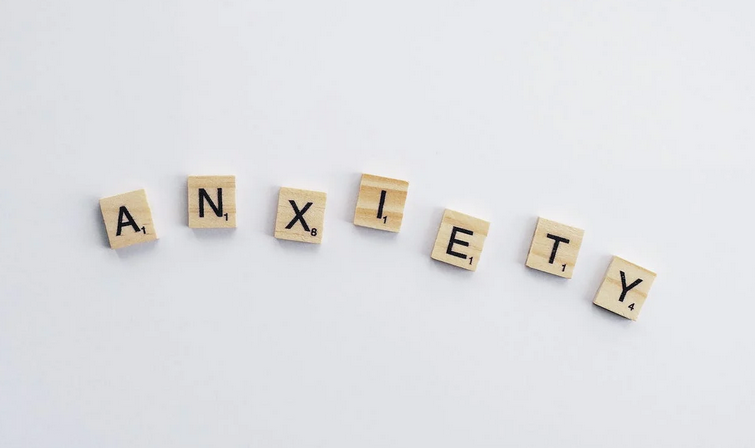
 One way to prevent anxiety attacks is to make sure you are getting enough exercise. Exercise helps reduce stress and releases endorphins, which positively affect your mood. Regular physical activity can help lower the intensity of anxiety attacks and lessen their frequency. If you are new to exercising, start with something light, like walking or swimming.
 Lastly, if you are struggling to manage your anxiety attacks, it’s important to seek professional help. A doctor or therapist may be able to provide you with tools and techniques on how best to cope with anxiety attacks and prevent them from occurring in the future. They will examine your lifestyle and offer recommendations tailored to your needs. They may also suggest medication or therapy, depending on the severity of your situation. This might take some time, but it’s worth the effort. If someone can help you manage your anxiety, then you will be able to live a more fulfilled life.
 If you think those three benefits are impressive, wait until you hear this one. One of the lesser-known benefits of aqua yoga is that it can help to boost lung function. The reason why aqua yoga is so effective at boosting lung function is that it helps to increase the amount of oxygen that your lungs can take in. In addition, aqua yoga can also help to improve your breathing. These are two things that are essential for a healthy and functioning lung.
 Not getting enough sleep is one of the most common daily habits that can damage your brain. Most people need around eight hours of sleep per night, but many don’t get that much. If you’re not getting enough sleep, it can lead to problems with memory, focus, and concentration. It can also make you more likely to have accidents or make mistakes. That’s why it’s crucial to get enough sleep every night. Avoiding caffeine and creating a relaxing bedtime routine every day can be helpful.
 Did you know that Hikikomori, an extreme case where people isolating themselves for long periods can actually hurt their brains? It’s becoming more common in Japan, and it’s thought to be caused by social media and online gaming. Being extremely self-isolated like this can lead to problems with mental health. A study found that people who are isolated are more likely to have issues with memory and concentration.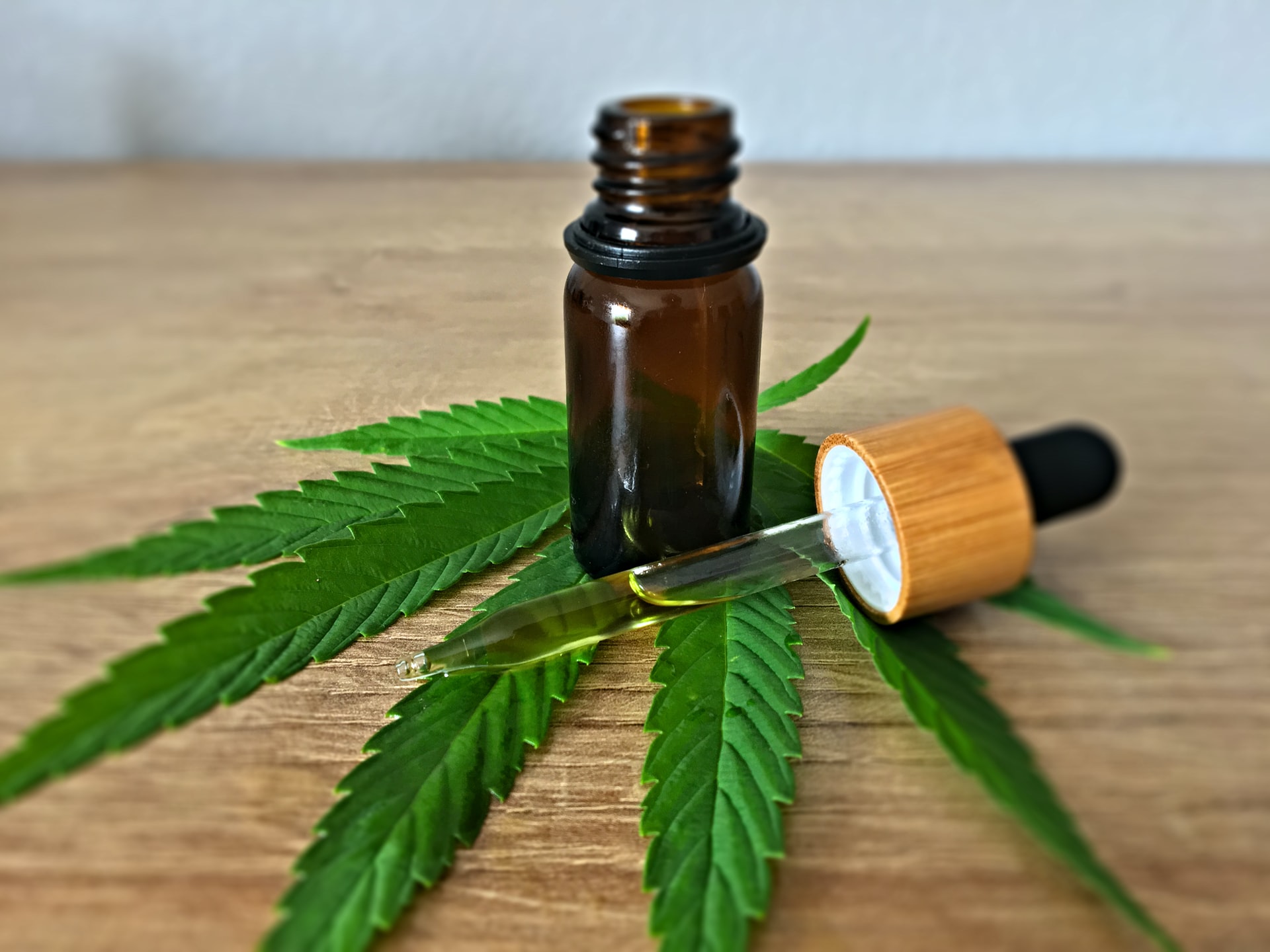
 One of the most common reasons people add CBD oil into their daily diet is its anti-inflammatory properties. People who suffer from chronic pain experience severe inflammation in their bodies, which can cause various issues such as difficulty sleeping and mood changes. Some studies have found that using CBD oil regularly can be beneficial for treating chronic pain.
 All of the benefits discussed thus far are great reasons to add CBD oil into your daily diet. Another benefit, however, is one that not only impacts you but those around you as well. Did you know that adding CBD oil into your daily diet can improve cardiovascular health?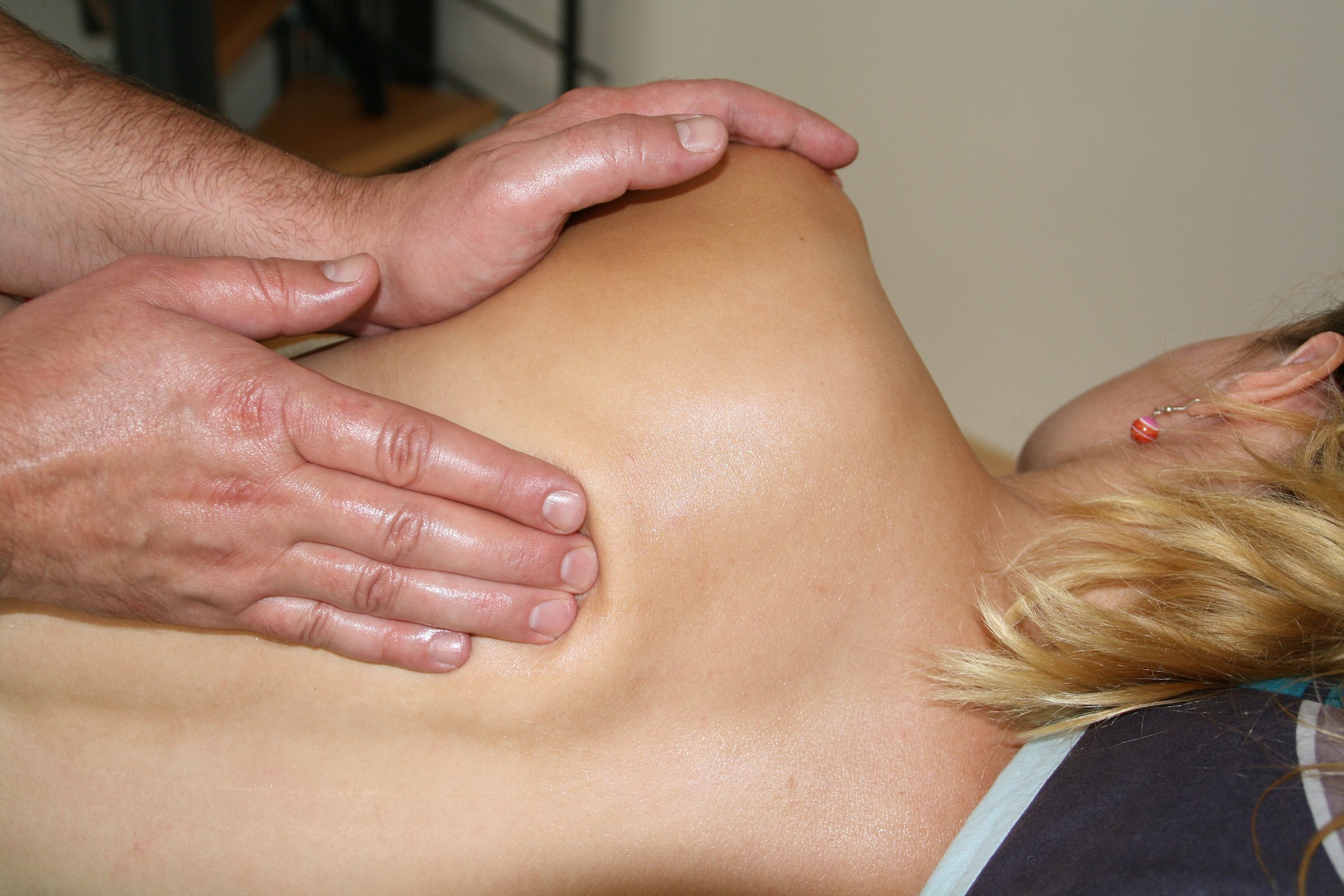
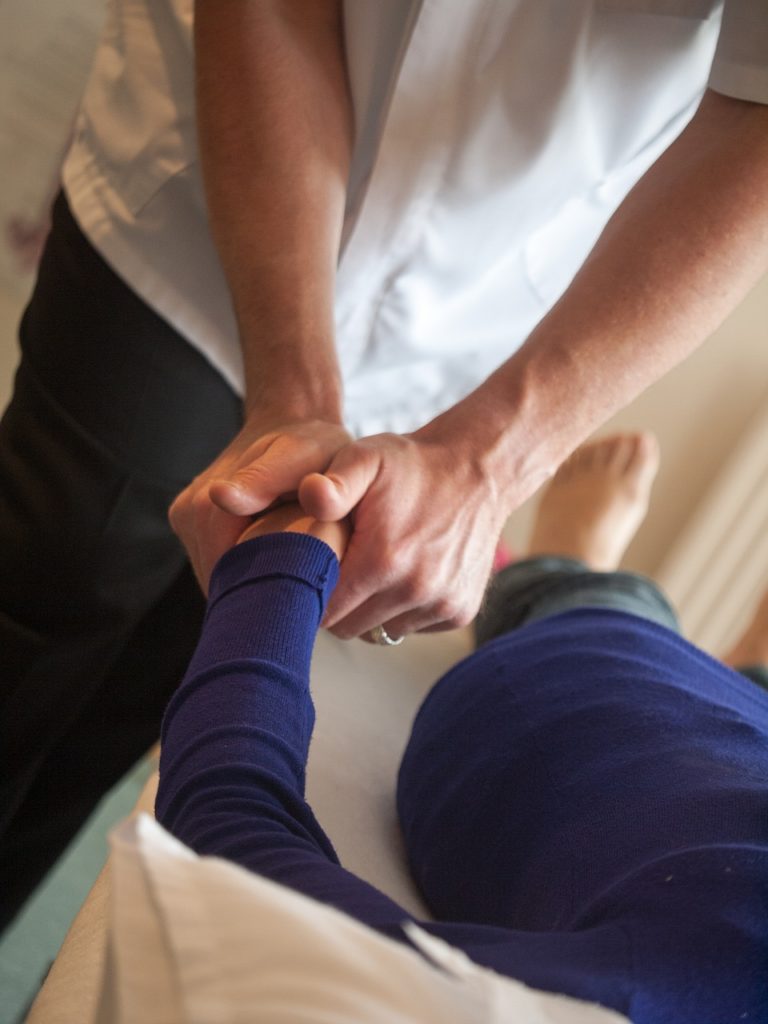 Excellent Training and Education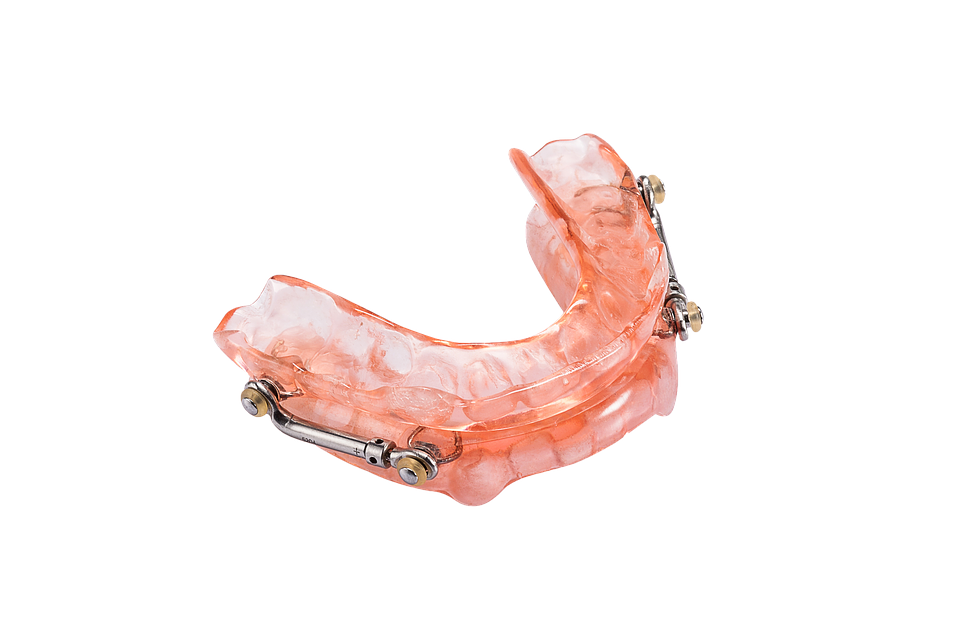
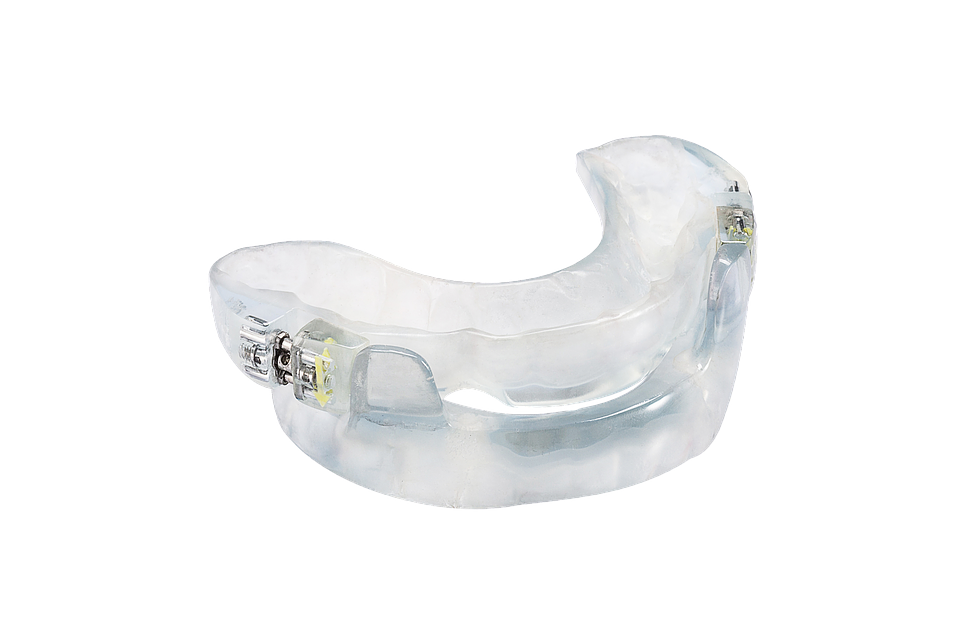
 An efficient sleep apnea mouth guard should not cause any difficulty when you have it on. It should not cause any problem in breathing and opening of your lips. So, it is essential you try several of them before picking on the one that fits you well. Conduct this process with all the attention it deserves.
 In general, there are two types of boosters on the market – legal and illegal ones. The legal ones, such as the spartagen testosterone booster, are usually 100% natural, pose no health risks and come with no side effects. They are also more effective than the illegal ones, and their results show up gradually and slowly. On the other hand, illegal boosters produce instant results. However, they are less effective, and they come with a large number of health risks and side effects. It is also worth noting that illegal boosters can be purchased without prescriptions.
 When it comes to 100% natural products, there are no side-effects, as they contain nothing but herbs and herbal extracts. Aside from increasing the muscle mass and improving the libido, these boosters can be used to improve overall health, as well. Since they work as natural supplements, they can be used by both common folk and professional athletes, as they are not banned by the official sports regulation bodies.…
 One of the commonly asked questions about the pulse oximeter is the area of application. Well, the finger pulse oximeter is used in homes, operating rooms, medical clinics, and hospitals just but to mention a few. The pulse rate and the saturation level of oxygen are critical statistics when it comes to the data of a patient.
 Patients with cardiac problems usually have low levels of oxygen in their bloodstream, and their pulse rate is typically low. The pulse oximeter is, therefore, critical equipment as it will help them monitor their conditions and they will know when to use the supplement the oxygen that they are in-taking.