
How Healthcare Systems Manage Chronic Disease Care

Chronic diseases such as diabetes, heart disease, asthma, and arthritis require ongoing attention rather than one-time treatment. Healthcare systems are structured to support patients over long periods, often for life, while helping them maintain independence and quality of living. Managing chronic conditions involves more than prescribing medication. It requires coordinated care, regular monitoring, patient education, and consistent follow-up. As populations age and lifestyle-related conditions increase, healthcare systems have adapted their approaches to focus on long-term management instead of short-term fixes. This shift helps reduce hospital visits, control symptoms, and support patients in managing their health day by day.
Coordinated Care and Multidisciplinary Teams
One of the main ways healthcare systems manage chronic disease care is through coordinated services involving multiple professionals. Patients often work with doctors, nurses, specialists, pharmacists, and sometimes dietitians or physical therapists. Each professional addresses a specific aspect of the condition while sharing information to avoid gaps in care. This teamwork helps create a clearer treatment plan and reduces conflicting advice. Regular check-ins allow providers to adjust medications or routines as conditions change. Coordinated care improves outcomes by keeping everyone aligned and focused on long-term stability rather than reacting only when symptoms worsen.
Ongoing Monitoring and Preventive Support

Chronic disease care relies heavily on monitoring to detect early changes. Healthcare systems use regular appointments, lab tests, and digital health tools to track progress. Monitoring helps providers identify warning signs before complications develop. Preventive support also plays a major role, including lifestyle guidance, vaccinations, and routine screenings. These steps reduce flare-ups and hospital admissions. Many systems now use remote monitoring tools that allow patients to share data from home. This approach supports early intervention and helps patients feel supported between clinic visits without the need for constant in-person appointments.
Patient Education and Self-Management

Education is a central part of managing long-term conditions. Healthcare systems invest in teaching patients how to understand their diagnosis, medications, and daily care routines. When patients know what affects their condition, they are more likely to follow treatment plans and recognize early symptoms. Education may include one-on-one counseling, group sessions, or digital resources. Self-management support empowers patients to take an active role in their health. This shared responsibility improves confidence, reduces anxiety, and often leads to better long-term control of chronic conditions.
Healthcare systems manage chronic disease care through coordinated teams, continuous monitoring, and strong patient education. These strategies focus on long-term stability rather than short-term relief. By consistently supporting patients and encouraging self-management, healthcare providers help reduce complications and improve daily functioning. As chronic conditions become more common, this approach remains essential for maintaining sustainable healthcare services and better patient outcomes. Effective chronic disease care depends on partnership, communication, and ongoing support that adapts as patient needs change.…






 Sleep and mental health share a profound relationship. One that’s more intertwined than we might realize. Think of sleep as a vital restoration period for our minds. During those nightly hours, our brains perform a delicate dance, consolidating memories, processing emotions, and rejuvenating cognitive functions. When we compromise on sleep, this intricate process gets disrupted. The effects ripple through our mental landscape, impacting mood regulation, stress management, and even our ability to focus and make decisions. Studies consistently highlight the correlation between insufficient sleep and increased risks of anxiety, depression, and other mental health disorders.
 It’s not merely about the hours spent in bed but the quality of sleep that matters. Deep, uninterrupted sleep cycles are essential for our mental well-being. This is when our brains engage in the vital tasks of memory consolidation and emotional processing, crucial elements for maintaining equilibrium in our emotional state. Creating an environment conducive to quality sleep is key. Establishing a relaxing bedtime routine, maintaining a comfortable sleep environment, and steering clear of stimulants.
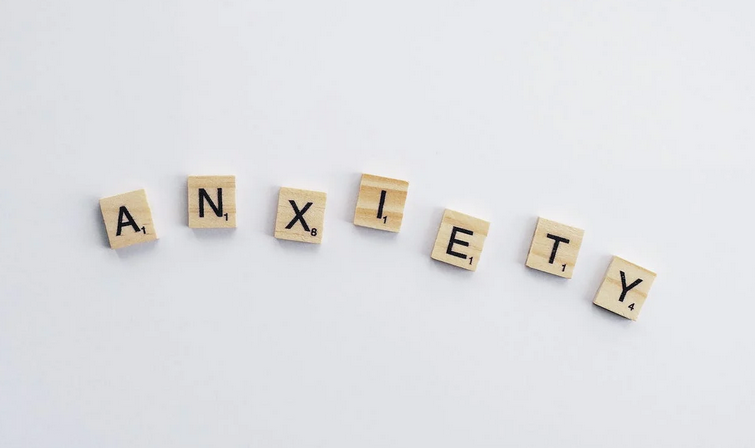
 One way to prevent anxiety attacks is to make sure you are getting enough exercise. Exercise helps reduce stress and releases endorphins, which positively affect your mood. Regular physical activity can help lower the intensity of anxiety attacks and lessen their frequency. If you are new to exercising, start with something light, like walking or swimming.
 Lastly, if you are struggling to manage your anxiety attacks, it’s important to seek professional help. A doctor or therapist may be able to provide you with tools and techniques on how best to cope with anxiety attacks and prevent them from occurring in the future. They will examine your lifestyle and offer recommendations tailored to your needs. They may also suggest medication or therapy, depending on the severity of your situation. This might take some time, but it’s worth the effort. If someone can help you manage your anxiety, then you will be able to live a more fulfilled life.
 If you think those three benefits are impressive, wait until you hear this one. One of the lesser-known benefits of aqua yoga is that it can help to boost lung function. The reason why aqua yoga is so effective at boosting lung function is that it helps to increase the amount of oxygen that your lungs can take in. In addition, aqua yoga can also help to improve your breathing. These are two things that are essential for a healthy and functioning lung.
 Not getting enough sleep is one of the most common daily habits that can damage your brain. Most people need around eight hours of sleep per night, but many don’t get that much. If you’re not getting enough sleep, it can lead to problems with memory, focus, and concentration. It can also make you more likely to have accidents or make mistakes. That’s why it’s crucial to get enough sleep every night. Avoiding caffeine and creating a relaxing bedtime routine every day can be helpful.
 Did you know that Hikikomori, an extreme case where people isolating themselves for long periods can actually hurt their brains? It’s becoming more common in Japan, and it’s thought to be caused by social media and online gaming. Being extremely self-isolated like this can lead to problems with mental health. A study found that people who are isolated are more likely to have issues with memory and concentration.
 One of the most common reasons people add CBD oil into their daily diet is its anti-inflammatory properties. People who suffer from chronic pain experience severe inflammation in their bodies, which can cause various issues such as difficulty sleeping and mood changes. Some studies have found that using CBD oil regularly can be beneficial for treating chronic pain.
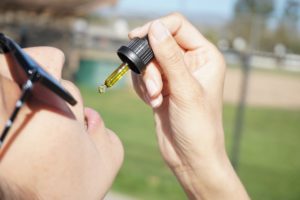 All of the benefits discussed thus far are great reasons to add CBD oil into your daily diet. Another benefit, however, is one that not only impacts you but those around you as well. Did you know that adding CBD oil into your daily diet can improve cardiovascular health?
 Excellent Training and Education
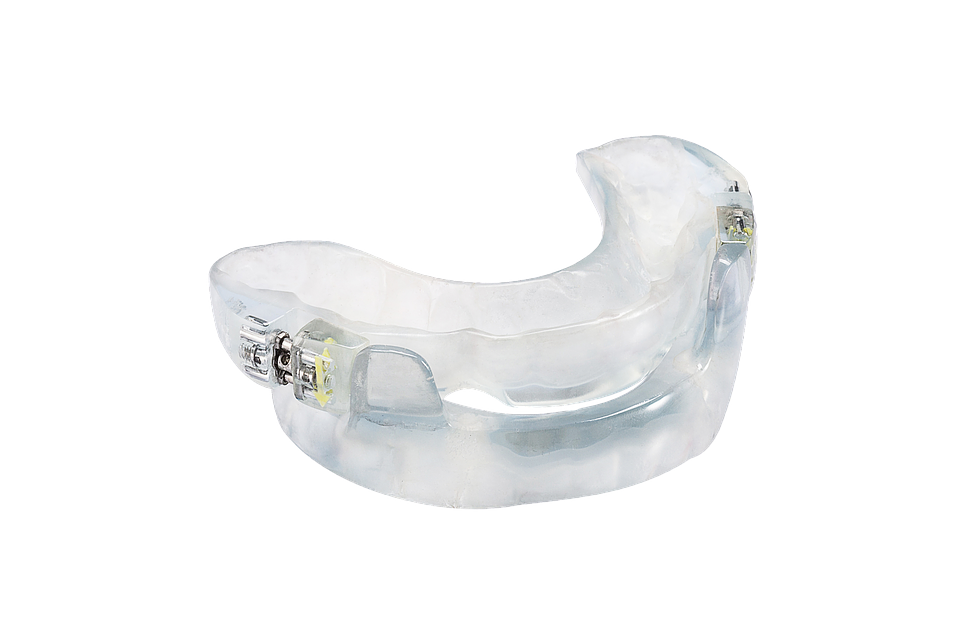
 An efficient sleep apnea mouth guard should not cause any difficulty when you have it on. It should not cause any problem in breathing and opening of your lips. So, it is essential you try several of them before picking on the one that fits you well. Conduct this process with all the attention it deserves.
 In general, there are two types of boosters on the market – legal and illegal ones. The legal ones, such as the spartagen testosterone booster, are usually 100% natural, pose no health risks and come with no side effects. They are also more effective than the illegal ones, and their results show up gradually and slowly. On the other hand, illegal boosters produce instant results. However, they are less effective, and they come with a large number of health risks and side effects. It is also worth noting that illegal boosters can be purchased without prescriptions.
 When it comes to 100% natural products, there are no side-effects, as they contain nothing but herbs and herbal extracts. Aside from increasing the muscle mass and improving the libido, these boosters can be used to improve overall health, as well. Since they work as natural supplements, they can be used by both common folk and professional athletes, as they are not banned by the official sports regulation bodies.…
 One of the commonly asked questions about the pulse oximeter is the area of application. Well, the finger pulse oximeter is used in homes, operating rooms, medical clinics, and hospitals just but to mention a few. The pulse rate and the saturation level of oxygen are critical statistics when it comes to the data of a patient.
 Patients with cardiac problems usually have low levels of oxygen in their bloodstream, and their pulse rate is typically low. The pulse oximeter is, therefore, critical equipment as it will help them monitor their conditions and they will know when to use the supplement the oxygen that they are in-taking.